EICR in India is becoming increasingly important as more homeowners take up renovation and DIY electrical projects. Therefore, electrical work is an important part of every home renovation or improvement project. Without proper testing, DIY electrical work can lead to electric shocks, electrical fires, or damage to appliances. Electrical work is an important part of every home renovation or improvement project. Whether you are building a garden room, upgrading your home, adding new lighting, or installing sockets, electrical safety must always come first. Many homeowners and handymen in India try DIY electric shocks, electrical fires, or damage to appliances.
Therefore, it is extremely important that all electrical work—whether small or large—is checked and certified by a qualified and licensed electrician. This is where an Electrical Installation Condition Report (EICR) becomes important. Although the term EICR is more commonly used in the UK, in India, the purpose is similar: ensuring that the electrical system is safe, tested, and compliant with required standards.
Getting an EICR in India helps identify hidden electrical faults before they become dangerous.
In this article, you will learn:
- What an EICR means
- Why it is important
- When you need an electrical safety check
- What the inspection includes
- Costs in India
- How DIY installers should prepare
- How to find a certified electrician
- FAQs for homeowners and landlords
This guide is simple, easy to read, and suitable for anyone who wants to improve their home safety.
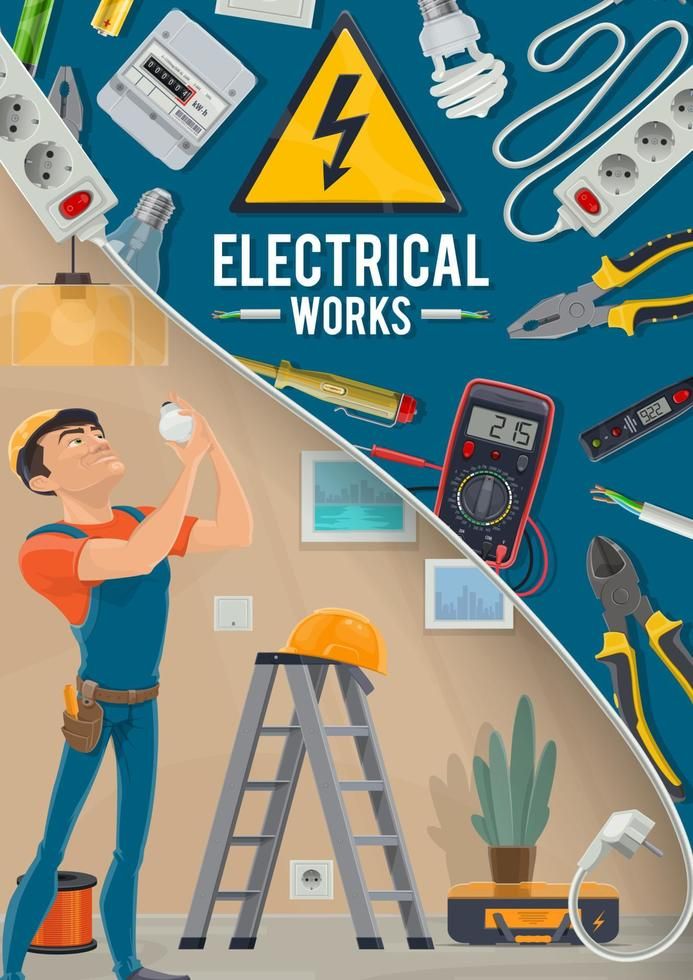
What Is EICR in India (Electrical Installation Condition Report)?
An EICR is a professional electrical safety inspection carried out by a certified electrician. The goal of the test is to check the condition of your home’s electrical wiring, circuits, switches, sockets, and protective devices. Additionally, it identifies any damage, faults, or risks that may cause electrical accidents. As a result, this is where an Electrical Installation Condition Report (EICR) becomes important.
In India, this inspection may be referred to as
- Electrical Safety Certificate
- Domestic Electrical inspection
- Home Electrical Audit
- Wiring Inspection Report
Even though the name may differ, the purpose remains the same: to ensure that your electrical system is safe and compliant with Indian standards (IS 732, IS 1646, and local DISCOM rules).
A professional electrical safety inspection in India helps identify hidden wiring faults and prevents future hazards.
Why EICR in India Is Important for Electrical Safety
Moreover, electrical faults are one of the biggest causes of fires and accidents in Indian homes. Old wiring, cheap materials, loose connections, and overloaded circuits are extremely common.
Therefore, an EICR helps by:
- Detecting fire risks
- Identifying outdated wiring
- Checking load capacity
- Testing earth connection
- Ensuring RCD/RCCB protection
- Preventing electric shocks
- Avoiding expensive repairs
Moreover, getting an EICR gives you peace of mind because your home is safe for your family.
When Do You Need EICR in India?
In several situations, getting an electrical inspection is not only recommended but necessary.
1. For Home renovation electrical work (Every 10 Years)
It is recommended to get a full electrical inspection once every 10 years.
However, many Indian homes have wiring much older than this.
2. During Home Renovation or Major Electrical Changes
If you are:
- Adding new circuits
- Installing a new MCB board
- Upgrading your old fuse box
- Doing home remodeling
- Installing high-power appliances (AC, geyser, oven)
Then an EICR-style safety check becomes important.
3. When Buying a Home
Many Indian buyers do not check electrical safety before purchasing a property.
However, buying a home with faulty wiring can lead to:
- Huge repair costs
- Short circuits
- Safety risks
Therefore, a pre-purchase electrical inspection is extremely useful.
4. When Selling a Home
Providing an electrical report helps:
- Build buyer trust
- Speed up property deals
- Increase resale value
5. For Landlords (Every 5 Years)
Many Indian states now encourage or require regular electrical inspections for rented properties.
This helps protect tenant safety and avoid legal issues.
6. After Damage Such as Flooding or Fire
Water or heat damage can weaken wiring.
Therefore, a post-damage safety report ensures your home is safe to use again.
In addition, getting an EICR in India gives homeowners peace of mind and long-term safety.
How Much Does an Electrical Safety Check Cost in India?
However, pricing in India depends on house size and wiring age.
- House size
- Number of circuits
- Age of wiring
- Condition of the system
- City or region
Average Cost in India (2025):
| Property Type | Approx. Cost |
| 1 BHK Flat | ₹1,000–₹2,000 |
| 2 BHK | ₹1,500–₹3,000 |
| 3 BHK | ₹2,000–₹4,500 |
| 4 BHK or Villa | ₹3,500–₹7,000 |
| Commercial Shops | ₹3,000–₹12,000 |
| Large Commercial Spaces | Priced per circuit |
Additionally, older homes cost more because inspection and repair usually take longer.
What Does EICR in India Check During Inspection?
A proper electrical inspection covers several important safety points.
1. Checking Earthing and Bonding
Earthing protects you from electric shocks.
The electrician checks:
- Earth pit condition
- Earth wire continuity
- Bonding near water pipes and gas lines
Incorrect earthing is one of the biggest reasons homes fail safety checks.
2. Correct Bathroom and Wet Area Fittings
In India, many bathrooms use unsafe lights or switches.
However, bathroom lights must have proper waterproof (IP-rated) fittings.
Incorrect fittings can cause:
- Current leakage
- Shocks
- Accidents
3. Insulation Resistance Test
Old or damaged wiring loses insulation.
Low insulation resistance increases fire risk.
The electrician uses a meter to check insulation is above the required levels.
4. Circuit Breaker and Fuse Rating Check
Every circuit must have the correct MCB rating.
If it is too high, there is a fire risk
If it is too low, frequent tripping
Therefore, matching the circuit load with the correct breaker is essential.
5. RCD/RCCB Protection Check
An RCD (Residual Current Device) or RCCB quickly cuts power during a fault.
It prevents:
- Electric shocks
- Current leakage
- Fires
Indian homes MUST have RCCB protection, especially for:
- Bathrooms
- Kitchens
- Outdoor plugs
- AC lines
Missing RCCB almost always results in a failed electrical safety test.
Do You Need an EICR for Minor Electrical Work?
Not always.
For small tasks like
- Replacing light fittings
- Changing a switch
- Installing a fan
- Adding a socket
An EICR is usually not required.
However, you must follow safety rules and use:
- Proper tools
- Correct wire size
- Good insulation tape
- ISI-marked materials
Additionally, an inspection is needed if:
- The home is old
- The wiring looks unsafe
- You upgraded the fuse box
- You added high-power appliances
When in doubt, always call a certified electrician.
Why an EICR Matters for Homeowners, Landlords & DIY Installers
An electrical safety report is important for everyone:
Homeowners:
Ensures family safety and avoids electric shock or fire risks.
Landlords:
Helps ensure legal compliance and protects tenants.
Home Buyers:
Helps identify hidden electrical problems before purchase.
Home Sellers:
Builds trust and increases property value.
Businesses:
Required for safety audits and compliance.
DIY Installers:
Ensures that installations meet safety standards.
Moreover, an EICR helps prevent costly electrical repairs later.
Conclusion
Electrical installations may look simple, but even one loose wire or incorrect connection can cause major danger. Therefore, every DIY installer, homeowner, landlord, and business owner should understand the importance of an EICR, or electrical safety report.
A certified electrician can identify hidden faults and ensure your home meets Indian electrical safety standards. Whether you are renovating, upgrading your wiring, or simply ensuring long-term safety, an EICR helps protect your home and family.
Search online for trusted electricians in your city—Delhi, Mumbai, Hyderabad, Bangalore, Kolkata, or Pune—who offer electrical safety inspections and certification. This simple step ensures your property stays safe, compliant, and protected from electrical hazards.
FAQ
1. What is an EICR in India?
An EICR is an electrical safety inspection that checks wiring, circuits, sockets, earthing, and protective devices to ensure a home is safe.
2. How often should I get an electrical inspection in India?
Homeowners should get an inspection every 10 years. Landlords should get it every 5 years.
3. How much does an electrical safety check cost in India?
Costs range from ₹1,000 to ₹7,000 depending on property size and condition.
4. Do I need an electrician for minor DIY work?
Not always, but major changes like new circuits, high-load appliances, or rewiring require an inspection.
5. What is checked during an EICR?
Earthing, insulation resistance, circuit breakers, RCD protection, wiring condition, and load capacity.